
Introduction
You scroll right past the ad, but you stop for the how-to guide. You skip the “buy now” post, but you save the “here’s how it actually works” one. Today’s customers don’t want to be sold to every time they open a website or scroll through social media. They want answers, ideas, and solutions to their problems.
Businesses that focus on educating their audience often see stronger engagement, better search rankings, and higher-quality leads than those that rely only on promotional messaging.
What Is Promotional Content?
Promotional content has one job, sell something. It’s the stuff that talks up a product, pushes a discount, or brags about what a company just achieved. Every business needs to promote itself sometimes, and there’s nothing wrong with doing that openly.
The problem starts when selling is all you do. If every post is asking for something buy this, click here, don’t miss out people eventually stop paying attention. It’s the same reason for ignoring a friend who only asks for help. Trust eventually wears thin.
What Is Educational Content?
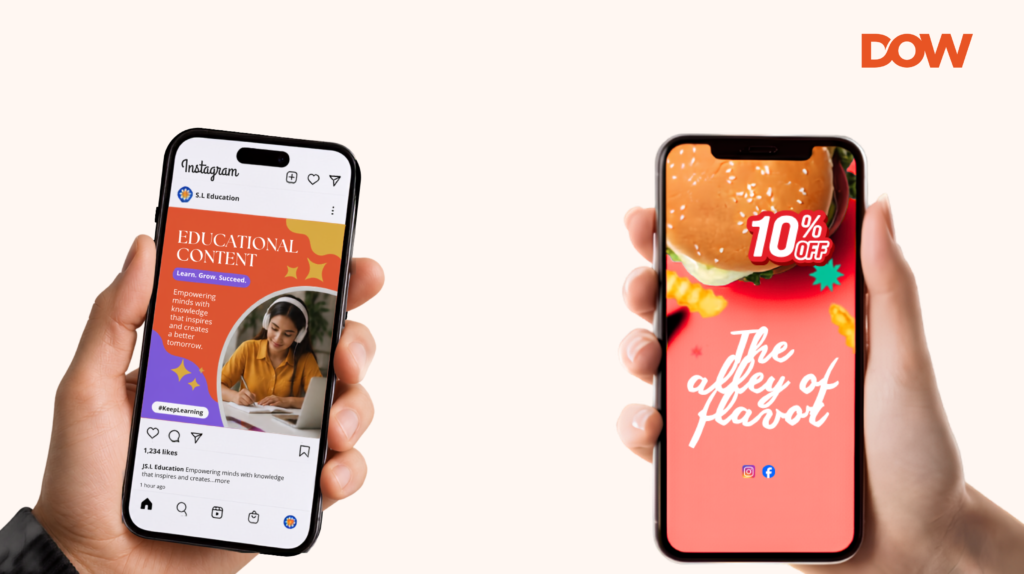
Educational content isn’t trying to close a sale. It’s there to teach you something useful, no purchase expected in return. The case study that shows how someone else solved the exact issue you’re dealing with right now.
Educational content creates value before asking for anything in return. By helping people solve problems and answer their questions, it builds trust and leaves a lasting impression. And when content is genuinely useful, people naturally want to share it with others.
People Actively Share It
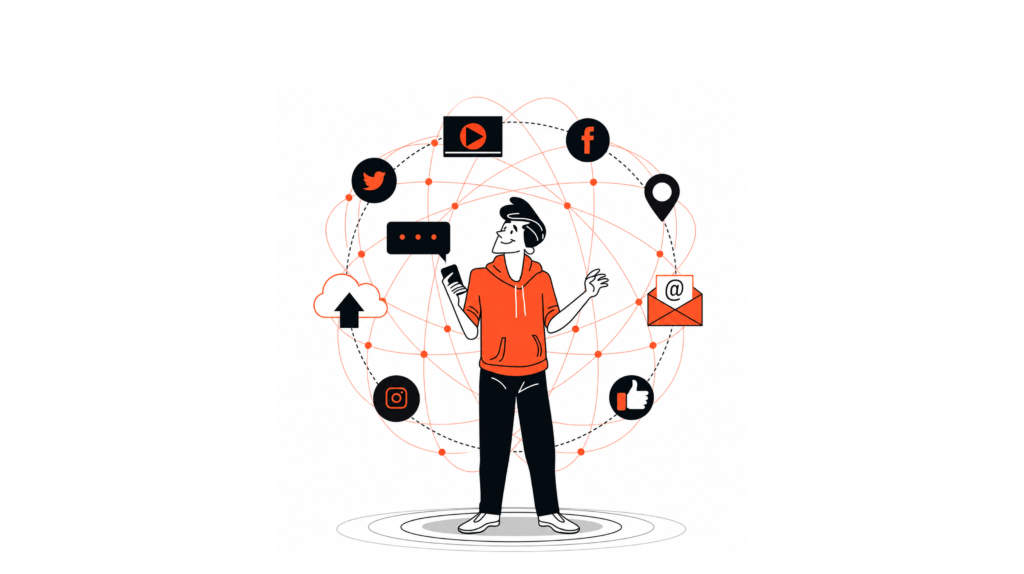
People rarely share advertisements with their network. What they do share are useful guides, practical tips, templates, checklists, and insights that genuinely help others.
Educational content has a natural advantage because its value extends beyond promoting a brand. When readers find something informative or solve a problem through your content, they’re more likely to share it with colleagues, friends, or their professional network. Every share increases your reach organically, helping your content travel further without additional marketing effort.
It Positions Your Brand as an Industry Expert
Educational content showcases your knowledge rather than simply promoting your products or services. By consistently providing valuable insights and practical solutions, you build credibility and earn your audience’s trust.
Over time, people begin to see your brand as a reliable source of information. Instead of being just another business competing for attention, you become the one they turn to when they need guidance, making your brand more memorable and increasing the likelihood that they’ll choose you when they’re ready to make a purchase.
It Reaches Customers Through Their Questions
People don’t search for advertisements; they search for answers. Whether it’s “How do I fix this?” or “What’s the best way to solve this problem?”, they’re actively looking for reliable information.
Educational content is designed to answer those questions, making it easier for your business to appear in search results and connect with potential customers while they’re researching. This creates a natural pathway from discovery to trust, and eventually, to conversion.
It has lasting influence.
The lifespan of promotional content is generally concise. A campaign’s relevance rapidly wanes after it concludes, a promotion expires, or a product launch concludes. On the other hand, educational content is still useful long after it is released. Because the issues it addresses are still important over time. A tutorial or explainer can keep attracting readers, generating organic traffic, and earning backlinks because the problems it solves remain relevant over time.
Educational knowledge, in contrary to promotional content, develops into a long-term asset that consistently increases visibility, authority, and trust while providing returns that increase over time.
It Aligns With How People Make Buying Decisions
The majority of purchases don’t happen instantly. Customers typically move through a journey of awareness, research, evaluation, and finally, decision.
Educational information helps at every step of the purchasing process, but promotional content works best when a consumer is prepared to make a purchase. Long before a transaction is made, it fosters trust by responding to inquiries, resolving issues, and offering insightful information.
Conclusion
Promotional content may capture attention for a moment, but educational content creates value that lasts. Constant sales messaging is not a strategy used by the most successful brands. They develop and become reliable information sources that individuals consult whenever they require direction.
In today’s digital landscape, the brands that educate are the brands that stand out. When you consistently provide value before asking for a sale, you earn trust, build credibility, and stay top of mind when customers are ready to make a decision.