


Introduction
Every company strives to expand, but not all businesses do it in a sustainable manner. Smart marketing isn’t about spending more; it’s about spending wisely. It focuses on understanding your audience, choosing the right platforms, delivering relevant messages, and making constant improvements based on outcomes.
Businesses that adopt this approach don’t just attract customers; they retain them, strengthen their reputation, and create a foundation for long-term success.
What Is Smart Marketing?
Smart marketing is a strategic approach that blends technology, creativity, customer insights, and quantifiable goals to help companies grow sustainably. Instead of relying on guesswork or one-time campaigns, it uses data to understand customer behaviour, personalise communication, and optimise every stage of the customer journey.
It answers important questions like:
Who are your ideal customers?
Where do they spend their time online?
What problems are they trying to solve?
Which marketing efforts generate the best return on investment?
When businesses have these answers, they can invest their marketing budget more effectively and achieve better long-term results
Understanding Your Audience Is the First Step

Without a thorough grasp of the target audience, no marketing approach can be successful. Businesses must understand their target clients, the obstacles they confront, and the factors influencing their purchasing decisions before developing ads, distributing content, or initiating campaigns. Audience research replaces assumptions with real insight into customer needs, behaviour, and preferences — insight that shapes every decision that follows.
Every marketing campaign is more successful when it is focused on the consumer rather than the product.
Choosing the Right Marketing Channels
Being present on every marketing platform doesn’t always produce the best results. Smart marketing focuses on reaching customers through the channels they already use instead of trying to be everywhere at once.
A well-balanced marketing strategy combines SEO, social media, content marketing, email marketing to nurture leads, and paid advertising to reach highly targeted audiences
Using Customer Data Instead of Assumptions
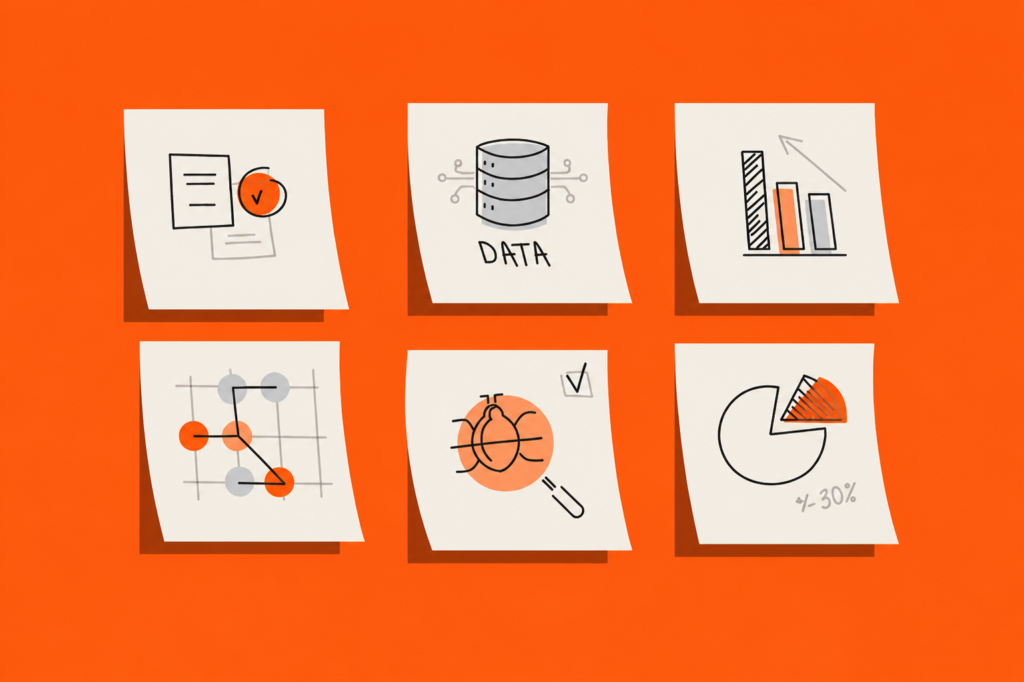
Many companies base their marketing decisions on intuition instead of facts. Data is the foundation of smart marketing. Customer relationship management (CRM) systems, keyword research, website analytics, and customer feedback are tools that provide valuable insights into how customers engage with your company.
They help answer questions such as where visitors come from, which pages they engage with, what products they are interested in, and why they may leave without converting.
Testing, Measuring, and Optimising
Smart marketing doesn’t stop when a campaign is launched; it evolves through continuous improvement. A/B testing allows businesses to compare different versions of advertisements, landing pages, email subject lines, or calls to action to determine which performs better.
Regular campaign optimisation is equally important. By monitoring key metrics such as click-through rates, conversions, bounce rates, and cost per lead, businesses can identify what’s working and eliminate strategies that aren’t delivering results. Performance reviews also play a crucial role in making smarter budget decisions — instead of distributing the marketing budget evenly across all channels, businesses can allocate more resources to high-performing campaigns while reducing spend on underperforming ones.
Marketing Automation Saves Time
Managing every email, customer inquiry, and marketing campaign by hand can get time-consuming as a firm expands. Marketing automation makes these tasks easier by sending emails automatically, following up with prospective clients, scheduling social media posts, and centralising customer data.
Beyond saving time, this ensures customers receive timely communication without missing out on important opportunities. By reducing manual work, businesses can focus on better campaign planning, stronger customer relationships, and more effective growth.
Conclusion
Smart marketing is about making informed decisions that deliver lasting results. By understanding your audience, using data effectively, choosing the right channels, and leveraging automation, businesses can improve their marketing efforts without unnecessary spending. Instead of chasing short-term wins, a strategic approach helps attract the right customers, strengthen relationships, and create a strong foundation for sustainable business growth.