


Introduction
Ever clicked on a website and left immediately because it was too slow? Your customers do the same.
In today’s digital world, consumers increasingly rely on online platforms to find information, compare products, and make purchasing decisions. Your digital storefront is often the first interaction a potential customer has with your business, and that experience matters. A slow, outdated, or malfunctioning page can frustrate visitors and push them away before they even explore what you offer.
Fortunately, a full redesign is not always necessary. Small, well-thought-out changes can make a big impact. Here are some simple yet effective ways to improve your online platform and give users a better experience.
Optimize Website Loading Speed
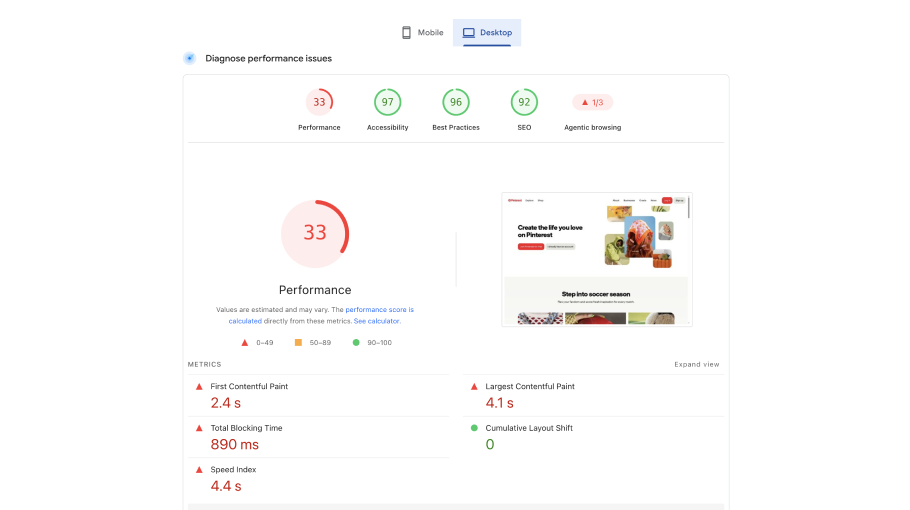
The user experience is greatly influenced by loading speed. Even a few seconds of delay can raise bounce rates and lower engagement, since visitors expect pages to load promptly.
Search engine rankings can also be adversely affected by slow load times. Speed can be improved by reducing large files on each page, enabling caching, and compressing graphics. Regular performance testing helps identify areas that need attention. A faster platform not only improves user satisfaction but also increases the likelihood that visitors will stay longer and browse more.
Ensure Mobile Responsiveness
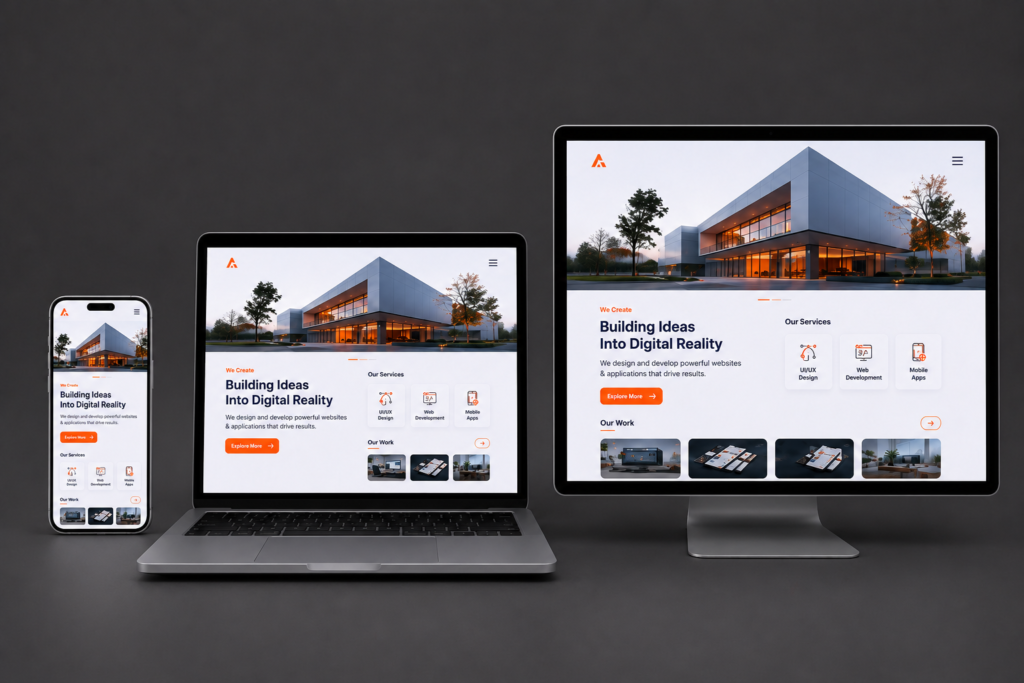
Having a mobile-friendly platform is crucial since mobile devices account for a significant portion of web traffic. Consumers expect pages to work flawlessly across PCs, tablets, and smartphones.
A responsive design dynamically adjusts content and appearance depending on the device being used. This ensures that users can read content, navigate with ease, and complete tasks without frustration. Mobile responsiveness is also a key factor in search engine rankings, making it essential to overall performance.
Improve Website Navigation
Cluttered designs, complex layouts, and complicated menus can irritate users and drive them away.
Good navigation makes it easy for visitors to find what they are looking for without confusion. Clear menus, organised sections, and well-placed buttons guide users naturally from one page to the next. When the structure is simple, visitors stay longer, explore more, and are more likely to take action.
Optimize Images and Media Files
Large files like images and multimedia can enhance visual appeal, but can also slow down loading speed.
To minimise this without sacrificing quality, use compression techniques, contemporary file formats, and appropriately sized images. The same applies to video files; they should be optimised before being uploaded. Properly managing media files keeps your platform fast and delivers a smooth user experience.
Create High-Quality and Relevant Content
One of the most crucial components of a strong online presence is its content. When people visit, they are looking for information about products, services, or the business itself. Outdated or inaccurate information can lower trust and damage credibility.
Content should be updated regularly to ensure accuracy and relevance. Clear, informative, and engaging content supports SEO efforts while keeping visitors interested.
Reduce Broken Links and Technical Errors
Broken links, missing pages, and technical errors create a poor impression and disrupt the user journey. Regular audits help identify and resolve these issues.
Maintaining a platform that functions smoothly demonstrates professionalism and ensures users can access the information they need without interruptions.
Focus on Search Engine Optimization (SEO)
SEO helps improve visibility in search results, making it easier for potential clients to find you online.
Even minor tweaks can make a big difference. Search engines better understand your platform when page titles, meta descriptions, headings, and keywords are well-optimised. Producing high-quality content and improving the overall structure further strengthen SEO efforts. Improved search visibility leads to increased traffic, greater engagement, and more growth opportunities.
Enhance User Experience with Clear Calls-to-Action
A well-performing digital storefront should guide users towards the next step, whether that is adding a product to the cart or making a purchase.
A clear, strategically placed call-to-action (CTA) helps users understand what to do next, making it simpler to engage. Effective CTAs increase engagement, boost conversion rates, and make it easier for visitors to become paying customers.
Conclusion
Your digital storefront is one of your most powerful business tools, but only if it works well. Small improvements in loading speed, navigation, content, and SEO can completely change how visitors experience your online presence. When your platform performs well, visitors stay longer, trust you more, and are more likely to take action.
You do not need to fix everything at once. Start small, track your results, and keep improving. Because in today’s competitive digital world, a better online platform means a better road.